Unlocking Business Growth Through Precise Estimated Freight Costs: A Comprehensive Guide
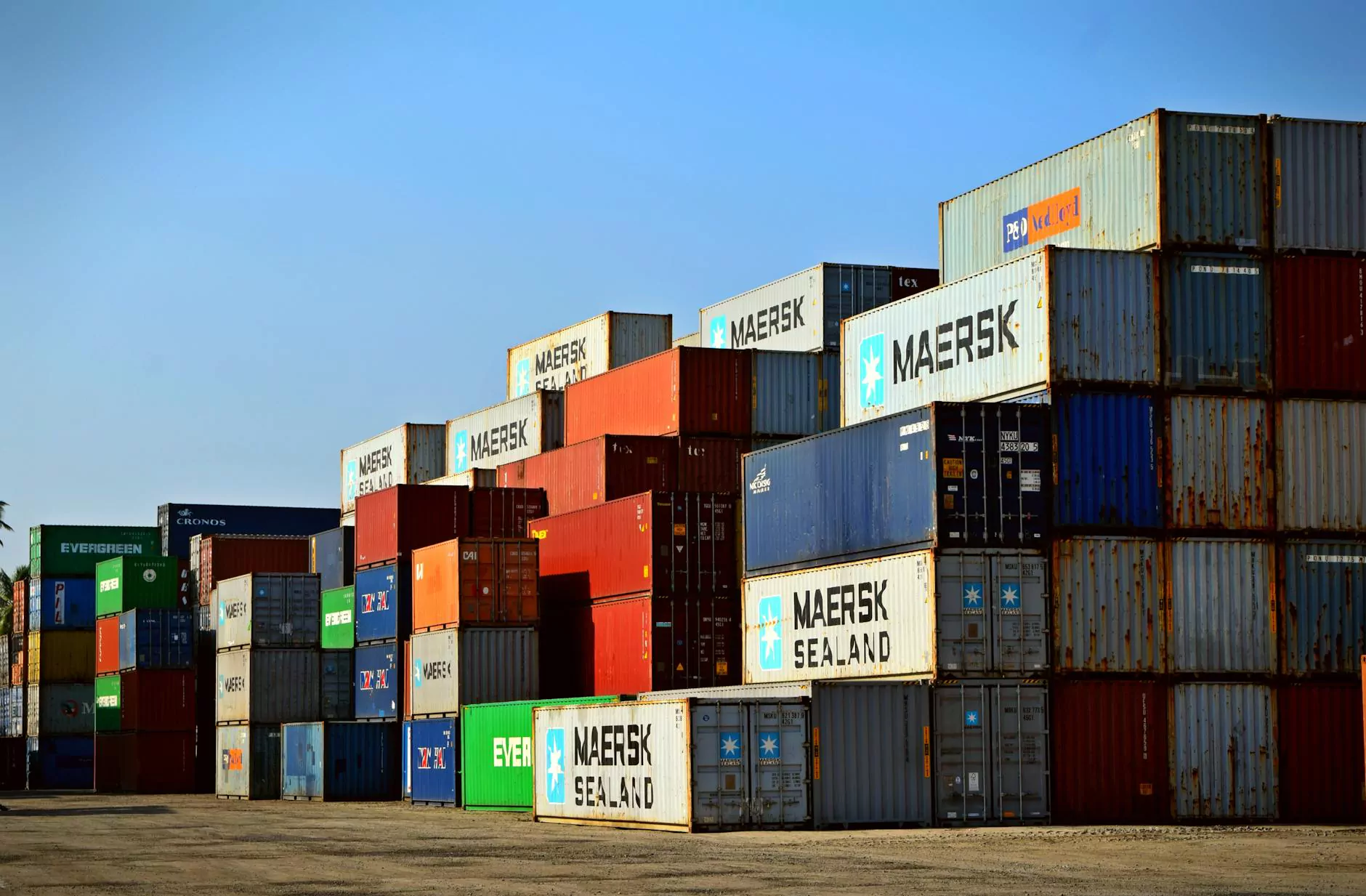
In today’s highly competitive global marketplace, the ability to accurately estimate freight costs is not just an operational necessity but a strategic advantage. For businesses involved in shipping, vehicle transportation, or consulting, understanding and managing freight expenses efficiently can significantly enhance profitability, customer satisfaction, and long-term sustainability. At freightrate.com, we understand the critical role that estimated freight costs play in shaping your business decisions, and this comprehensive guide aims to equip you with the insights to harness this knowledge effectively.
Understanding the Importance of Estimated Freight Costs in Business Operations
Estimated freight costs refer to the projected expenses associated with transporting goods or vehicles from one location to another. These estimations are vital for several reasons:
- Budget Planning: Accurate estimates enable businesses to allocate finances appropriately, avoiding surprises that can disrupt cash flow.
- Pricing Strategies: Knowing freight costs helps in setting competitive yet profitable prices for products and shipping services.
- Customer Satisfaction: Transparent and reliable freight estimates foster trust and improve customer experience.
- Operational Efficiency: Anticipating costs allows for optimized logistics routes and carrier selection, reducing unnecessary expenses.
- Strategic Decision Making: Long-term planning and expansion strategies depend heavily on accurate freight cost assessments.
The Role of Shipping Centers in Enhancing Business Logistics
Shipping centers function as critical hubs within the supply chain network. They streamline the processing, storage, and transportation of goods, ultimately impacting the accuracy of estimated freight costs. Efficient shipping centers offer:
- Proximity to Major Transport Routes: Reducing transit times and transportation expenses.
- State-of-the-Art Infrastructure: Ensuring the safe handling of goods, minimizing damages that can inflate costs.
- Real-Time Tracking and Data Collection: Providing insights that improve the precision of freight cost estimates.
- Flexible Logistics Solutions: Catering to various shipping modes—air, sea, land—allowing businesses to choose cost-effective options.
By partnering with reliable shipping centers, companies can better project their estimated freight costs and develop adaptable strategies that meet market demands efficiently.
Business Consulting: Paving the Way for Cost-Effective Shipping Solutions
Expert business consulting services are instrumental in optimizing logistics and reducing freight expenses. Consultants analyze the unique needs of your enterprise to identify opportunities for savings and operational improvements:
- Cost Analysis and Benchmarking: Comparing your freight costs with industry standards to identify efficiency gaps.
- Optimized Supply Chain Design: Streamlining processes to minimize transit times and freight expenses.
- Carrier Selection and Negotiation: Leveraging market data to secure competitive rates and favorable terms.
- Technology Integration: Implementing advanced logistics software for real-time tracking and better cost forecasting.
- Risk Management: Developing contingency plans to mitigate unforeseen costs arising from delays or damages.
Incorporating expert insights ensures your business accurately predicts estimated freight costs, ultimately leading to improved profitability and customer confidence.
Vehicle Shipping: Managing Costs for Moving Vehicles Across Distances
Vehicle shipping is a specialized segment within logistics, demanding precision in cost estimation. Whether relocating fleet vehicles, transporting new inventory, or moving personal vehicles for clients, understanding estimated freight costs is crucial:
- Type of Vehicle: Larger or specialty vehicles require specialized carriers, affecting cost estimates.
- Distance: Longer routes generally increase transportation expenses but can benefit from bulk shipping discounts.
- Shipping Method: Open transport is typically cheaper than enclosed shipping, but the latter offers better protection.
- Location Specific Factors: Urban congestion, access limitations, and regional tariffs influence costs.
- Timing: Premium charges apply for expedited or time-sensitive shipments.
By utilizing tools available at freightrate.com, businesses can get precise estimated freight costs for vehicle shipping, enabling transparent quotes and client trust.
Strategies to Improve Accuracy in Estimating Freight Costs
An accurate estimated freight cost calculation can be achieved through several best practices:
- Comprehensive Data Collection: Gather historical shipping data, including weights, dimensions, and routes.
- Utilize Advanced Freight Calculation Tools: Leverage technology platforms like freightrate.com to generate real-time estimates.
- Partner with Reliable Carriers: Establish relationships that provide consistent pricing and predictable costs.
- Account for Hidden Charges: Always include potential extra costs such as fuel surcharges, tolls, or insurance.
- Regularly Review and Adjust Estimates: Make data-driven adjustments based on market trends and operational changes.
The more refined your estimation process, the better positioned your business will be to control expenses, improve margins, and satisfy customer expectations.
Future Trends in Freight Cost Estimation and Logistics
The realm of freight logistics is continually evolving, with technological and market innovations shaping future strategies:
- Artificial Intelligence and Machine Learning: Automate and enhance accuracy of freight cost predictions by analyzing complex data patterns.
- Blockchain Technology: Improve transparency, reduce fraud, and streamline documentation, impacting cost structures positively.
- Digital Freight Marketplaces: Facilitate real-time bidding and instant quotes, making cost estimation more transparent and competitive.
- Sustainable Logistics: Incorporate eco-friendly transportation options that, while potentially costlier upfront, lead to long-term savings and brand value.
- Integrated Supply Chain Management: Combine multiple logistics functions for greater efficiency and predictive cost modeling.
Staying ahead of these trends will empower your business to leverage the latest innovations for superior cost management and operational excellence.
Conclusion: Empowering Business Growth with Accurate Estimated Freight Costs
Ultimately, the key to thriving in a competitive environment lies in accurate, reliable, and strategic management of freight-related expenses. Incorporating precise estimated freight costs into your planning processes ensures better control over budgets, enhances transparency with clients, and fosters smarter decision-making. Through partnerships with top-tier shipping centers, expert business consulting, and advanced technology tools like freightrate.com, your business can unlock new levels of efficiency and profitability.
Embrace the power of accurate freight cost estimation today — because understanding your costs is the first step to scaling successful, resilient, and sustainable business operations for tomorrow and beyond.