The Ultimate Guide to Keeping a Tortoise as a Pet: A Trusted Choice for Reptile Enthusiasts
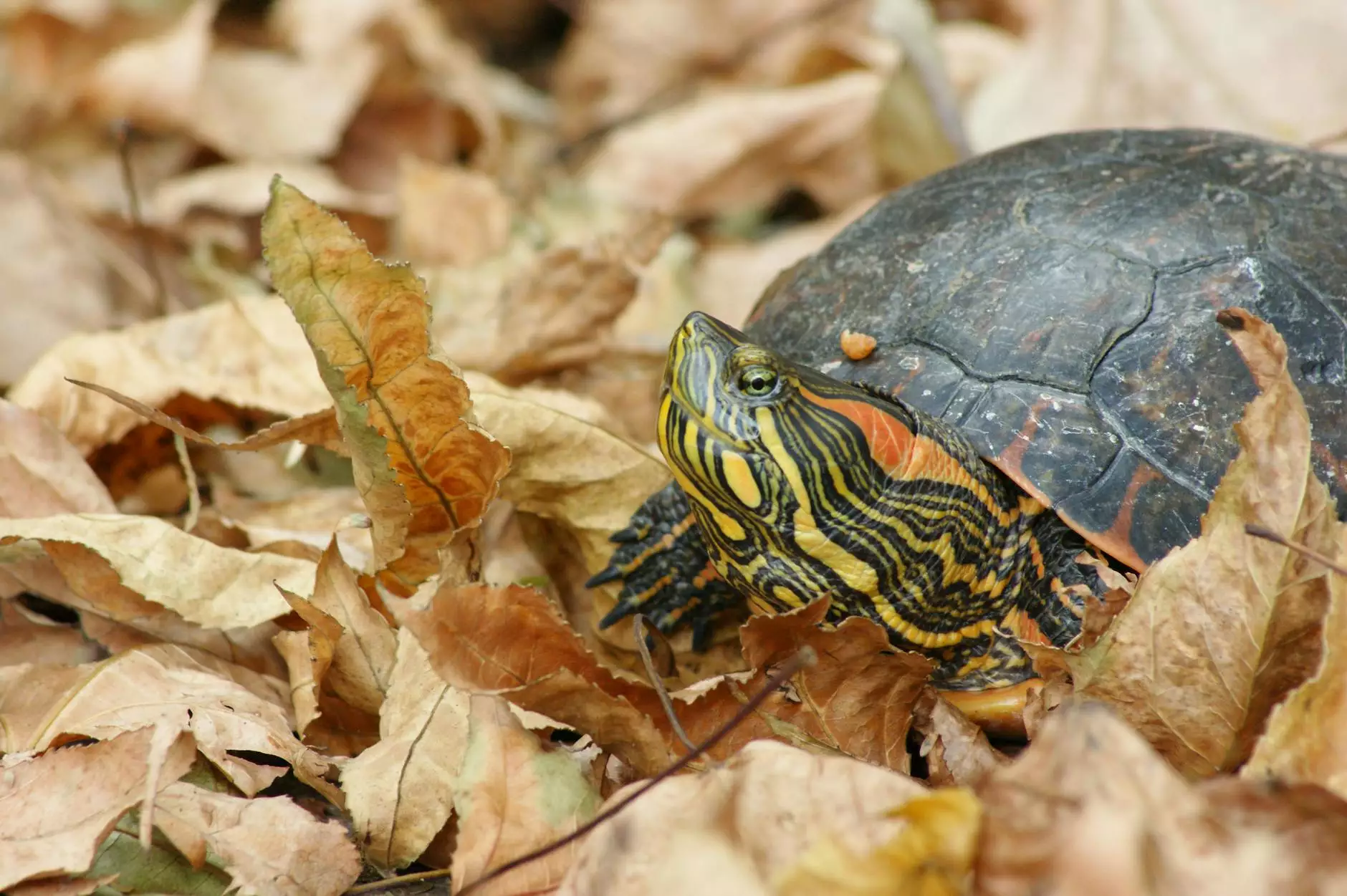
Owning a bTambah to an exotic pet, a tortoise offers a unique blend of tranquility, charm, and longevity that appeals to reptile lovers worldwide. As a distinctive member of the reptile community, tortoises are admired for their slow-paced lifestyle, hardy nature, and minimalistic environmental needs. This comprehensive guide explores all aspects of owning a tortoise as a pet, from selecting the right breed to creating a suitable habitat, nutrition, health management, and why sourcing from reputable Genuinea Australia Reptiles ensures your success.
Why Choose a Tortoise as a Pet? The Unique Appeal of Reptilian Companions
In the realm of exotic pets, tortoises stand out for their gentle disposition, long lifespan, and relatively low maintenance compared to other reptiles. They embody a peaceful presence, making them ideal for families, singles, and elderly pet owners seeking a calm companion. Moreover, their fascinating behaviors and slow demeanor offer opportunities for owners to observe natural instincts and behaviors that are rarely seen in other pets.
Discovering the Right Tortoise Breed for Your Lifestyle
The first critical step in tortoise as a pet ownership is choosing the right breed that matches your living conditions, experience, and expectations. Common pet tortoise breeds include:
- African Spurred Tortoise (Centrochelys sulcata): Popular for their impressive size and engaging personality, but require substantial space and outdoor access.
- Russian Tortoise (Testudo horsfieldii): Known for their hardy nature and manageable size, suitable for indoor and outdoor environments.
- Hermann's Tortoise (Testudo hermanni): Delightful small to medium-sized tortoises that thrive in temperate climates.
- Greek Tortoise (Testudo graeca): Similar to Hermann's, with vibrant patterns and resilient health traits.
- Radiated Tortoise (Astrochelys radiata): Exceptionally beautiful and endangered, best acquired from reputable breeders who adhere to conservation standards.
Each breed has specific habitat, dietary, and care requirements. Thorough research and consultation with trusted reptile shops or breeders, like Genuinea Australia Reptiles, are essential to making an informed choice.
Setting Up the Ideal Habitat for Your Tortoise
Creating a comfortable, safe, and stimulating environment is crucial for the health and happiness of your tortoise as a pet. A well-designed habitat should mimic its natural ecosystem as closely as possible within your available space.
Indoor and Outdoor Enclosures
Depending on your climate and living arrangements, you may opt for a terrestrial outdoor enclosure or a secure indoor setup. The key components include:
- Substrate: Use cage-friendly substrates like coconut coir, shredded bark, or soil mixes that allow digging and naturalistic behavior. Avoid substrates that can cause impaction if ingested.
- Temperature and Humidity: Maintain daytime temperatures between 25-32°C (77-89°F) with a basking spot reaching 35°C (95°F). Humidity levels vary between species; for instance, African spurred tortoises prefer drier conditions, while others like the Russian tortoise prefer moderate humidity.
- Lighting: Provide UVB lighting to simulate natural sunlight, essential for vitamin D synthesis and calcium metabolism.
- Hide Spots and Enrichment: Include hiding areas, rocks, and safe plants to offer psychological stimulation and naturalistic hiding places.
When designing an outdoor habitat, ensure it is predator-proof, with fencing that prevents escape and protects from local predators. Sun exposure and shade balance are vital for thermoregulation.
Proper Nutrition and Feeding Strategies for Tortoises
A tortoise as a pet must be provided with a balanced diet that emphasizes fresh, high-fiber greens, vegetables, and fruits in moderation. Proper nutrition directly impacts their shell health, reproductive success, and longevity.
Diet Essentials
- Leafy Greens: Collard greens, dandelion greens, turnip greens, and kale are rich in calcium and low in oxalates.
- Vegetables: Zucchini, squash, bell peppers, and carrots provide variety and essential vitamins.
- Fruits: Offer sparingly, such as berries, melon, or apple slices, to prevent excess sugar intake.
- Calcium Supplements: Dust food with calcium powder regularly to support healthy shell growth.
- Water: Always ensure access to clean, shallow water for drinking and soaking.
Reptile specialists and reptile shops emphasize the importance of avoiding high-protein or dog/cat foods, which can harm the delicate balance of a tortoise’s digestive system.
Health and Veterinary Care for Your Tortoise
Regular health checks are vital for detecting issues early and ensuring a long, healthy life for your tortoise as a pet. Preventative care includes:
- Shell Health: Checking for deformities, calcium deficiency, or shell rot.
- Parasite Control: Routine fecal examinations and appropriate treatments.
- Shedding and Skin Care: Monitoring shedding cycles and providing humid environments if necessary.
Always seek veterinary assistance from specialists experienced with reptiles. Should you notice lethargy, abnormal shell growth, respiratory issues or refusal to eat, consult immediately.
The Importance of Sourcing from Reputable Pet Breeders and Reptile Shops
When selecting a tortoise as a pet, obtaining your animal from trusted suppliers such as Genuinea Australia Reptiles ensures:
- Genetic Diversity: Better immune health and vibrant appearance.
- Ethical Breeding Practices: Supporting conservation efforts and humane treatment.
- Health Guarantees: Assurance of disease-free animals with proper documentation.
- Expert Guidance: Access to knowledgeable staff for ongoing care tips and advice.
Conservation and Ethical Considerations in Tortoise Ownership
Many tortoise species are endangered or threatened in their natural habitats. Responsible ownership involves:
- Purchasing exclusively from reputable breeders who follow conservation standards.
- Participating in breeding programs that promote sustainability.
- Supporting habitat preservation initiatives for wild populations.
- Not releasing captive tortoises into the wild, which can disrupt local ecosystems.
Long-Term Commitment: Raising a Tortoise as a Pet
Owning a tortoise as a pet is a long-term commitment, as many species can live 50 years or more with proper care. Ensuring their well-being requires dedication to habitat maintenance, diet, health, and social needs. Their slow growth rate and lifespan make them one of the most rewarding and enduring companions in the pet world.
Why Trust Genuinea Australia Reptiles for Your Tortoise Journey
As leaders in the Pet Breeders and Reptile Shops industry, Genuinea Australia Reptiles offers a wide selection of healthy, ethically bred tortoises. Our commitment to quality, transparency, and education ensures that new owners are well-informed and equipped for a successful and enjoyable experience. Whether you are a novice or seasoned reptile keeper, we provide personalized support, detailed care guides, and species-specific advice to help you thrive as a responsible tortoise owner.
Final Thoughts: Embrace the Joy of a Tortoise as a Pet
Owning a tortoise as a pet is an enriching experience that offers companionship, educational opportunities, and a deeper appreciation of reptile life. With proper research, habitat setup, diet, and guidance from trusted sources like Genuinea Australia Reptiles, your tortoise will thrive and bring joy for decades to come. Remember, the key to a successful pet ownership journey lies in responsibility, dedication, and passion for these remarkable creatures.