Understanding the Procedure Hysteroscopy: A Complete Guide to Women's Reproductive Health
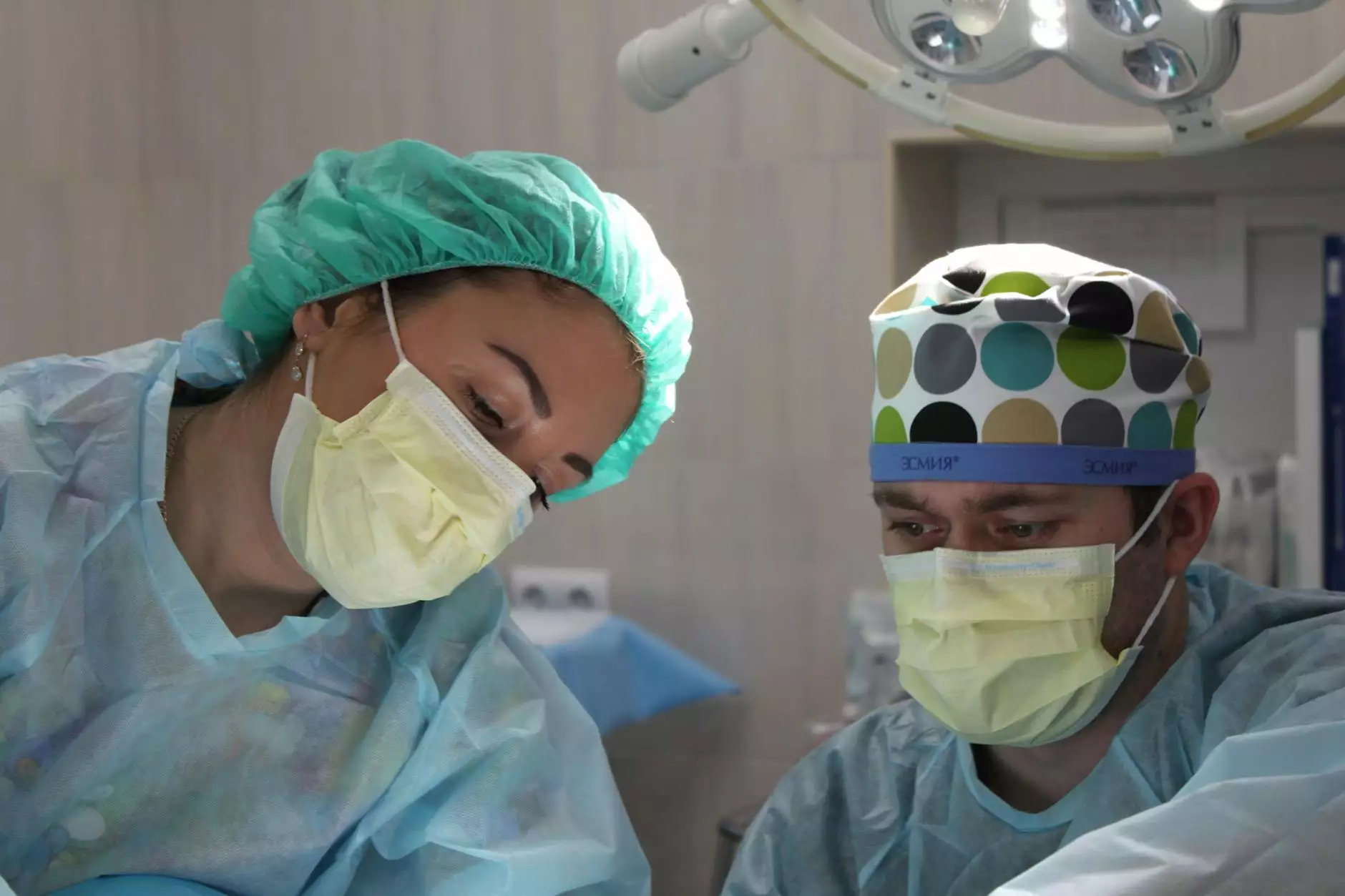
In modern gynecology, the procedure hysteroscopy stands out as a groundbreaking minimally invasive diagnostic and therapeutic technique that significantly enhances women's reproductive health. Whether addressing uterine abnormalities, infertility issues, or abnormal bleeding, hysteroscopy plays a crucial role in ensuring accurate diagnosis and effective treatment.
What Is the Procedure Hysteroscopy? An In-Depth Explanation
The procedure hysteroscopy is a specialized medical procedure that allows Obstetricians & Gynecologists to view the inside of the uterus directly. Using a hysteroscope—a thin, lighted tube inserted through the cervix—the doctor can examine the uterine cavity with remarkable precision, enabling early detection and treatment of various conditions.
Types of Hysteroscopy
- Diagnostic Hysteroscopy: Used primarily to diagnose uterine abnormalities, including polyps, fibroids, adhesions, or congenital anomalies.
- Operative Hysteroscopy: Involves the removal of identified abnormalities like polyps or fibroids, or correction of uterine septa, often performed in the same session upon diagnosis.
Key Benefits of Undergoing the Procedure Hysteroscopy
Patient-centered care in gynecology increasingly favors minimally invasive techniques, and procedure hysteroscopy exemplifies this shift. The benefits include:
- High Precision: Direct visualization of the uterine cavity facilitates accurate diagnosis.
- Minimally Invasive: Usually performed on an outpatient basis, leading to shorter recovery times and less discomfort.
- Versatility: Capable of diagnosing and treating a broad spectrum of uterine conditions in a single session.
- Reduced Risk of Complications: Compared to open surgeries, hysteroscopy presents fewer risks of infection or bleeding.
- Enhanced Fertility Outcomes: Removal of intrauterine abnormalities can significantly improve chances of conception.
Why Is the Procedure Hysteroscopy Critical in Women's Health?
Women encountering issues such as irregular bleeding, recurrent miscarriages, or unexplained infertility benefit greatly from uterine visualization through hysteroscopy. It provides vital insights that impact treatment plans, often preventing the need for more invasive procedures.
Common Conditions Diagnosed and Treated via Hysteroscopy
- Uterine Polyps: Growths protruding from the uterine lining that can cause bleeding or infertility.
- Fibroids: Noncancerous tumors affecting uterine shape and function.
- Intrauterine Adhesions (Asherman's Syndrome): Scar tissue development often following surgeries or infections.
- Congenital Uterine Anomalies: Septa, bicornuate uterus, or other developmental defects.
- Endometrial Hyperplasia or Cancer: Abnormal thickening possibly indicating malignancy.
- Retained Products of Conception: After miscarriage or childbirth, residual tissue can be safely removed.
The Step-By-Step Process of the Procedure Hysteroscopy
The procedure hysteroscopy typically involves several well-defined steps, ensuring maximum safety and efficacy for the patient:
Pre-Procedure Preparation
- Comprehensive Evaluation: Includes medical history, pelvic examination, and sometimes ultrasound imaging.
- Informed Consent: Patient education about procedure benefits and potential risks.
- Medication Instructions: May involve mild sedatives or analgesics to minimize discomfort.
During the Procedure
- Lying Position: Patient is positioned comfortably on the examination table.
- Cervical Dilation: Usually minimal or none, depending on individual anatomy.
- Insertion of Hysteroscope: Carefully guided through the cervix into the uterine cavity.
- Uterine Visualization: Saline or CO2 gas may be used to expand the cavity for better viewing.
- Inspection and Treatment: Abnormalities are diagnosed and addressed as needed.
Post-Procedure Care and Recovery
- Monitoring: Observation for any immediate adverse effects.
- Discharge Instructions: Information on possible mild cramping, spotting, or mild bleeding.
- Follow-Up: Scheduled visits to discuss findings and further treatment if necessary.
Potential Risks and How to Minimize Them
While procedure hysteroscopy is considered safe, awareness of potential risks ensures preparedness. Common concerns include:
- Uterine Perforation: Rare but possible, minimized by experienced practitioners.
- Infection: Typically prevented with sterile techniques.
- Bleeding: Usually mild and short-lived.
- Fluid Overload: Careful monitoring prevents excessive absorption of distension media.
Choosing the Right Specialist at drseckin.com for Your Hysteroscopy Needs
Selecting an experienced Obstetricians & Gynecologists team, such as those at drseckin.com, guarantees expert evaluation, precision procedure execution, and compassionate patient care. Their specialization in Women’s reproductive health ensures personalized treatment plans aligned with your unique needs.
Enhancing Reproductive Health Through Technology and Expertise
The integration of advanced hysteroscopic technology with highly trained healthcare providers brings about transformative outcomes in gynecology. From diagnosing subtle uterine anomalies to performing complex interventions, the procedure hysteroscopy exemplifies modern medicine’s commitment to minimally invasive, patient-centered care.
Future Perspectives in Hysteroscopic Gynecology
Ongoing research and technological innovations are poised to further refine hysteroscopy techniques, making procedures even safer and more effective. Developments such as 3D imaging, robotic assistance, and enhanced operative tools promise to elevate the standards of women's reproductive healthcare.
Empowering Women Through Knowledge and Choice
Understanding the importance of early diagnosis and timely intervention empowers women to take control of their reproductive health. Procedure hysteroscopy provides a pathway for women to overcome gynecological challenges, leading to improved quality of life, fertility outcomes, and overall well-being.
Conclusion: Why Prioritize Expert Care for Your Hysteroscopy
Choosing a specialized and experienced medical team is essential for the success of the procedure hysteroscopy. At drseckin.com, patients receive comprehensive evaluation, personalized treatment, and compassionate care—all vital components for achieving optimal outcomes in women's reproductive health.
In summary, the procedure hysteroscopy is a cornerstone of modern gynecological practice, offering unparalleled diagnostic accuracy and therapeutic benefits with minimal invasiveness. Whether addressing infertility, abnormal bleeding, or uterine abnormalities, expert-guided hysteroscopies pave the way for healthier, happier women.