Operative Hysteroscopy: Revolutionizing Gynecological Surgery for Women's Health
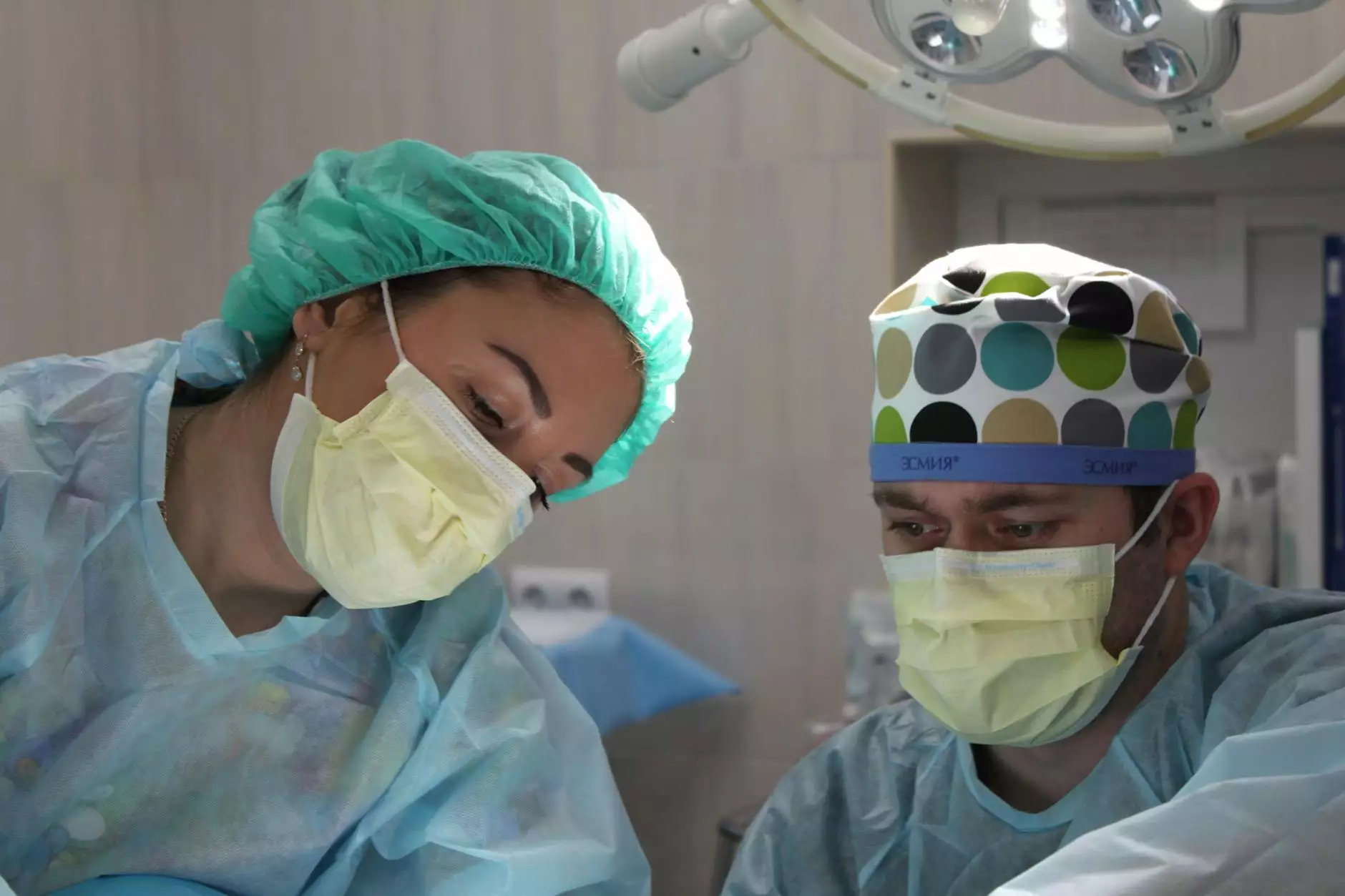
In the realm of women’s reproductive health, technological advancements have continuously transformed the approach to diagnosis and treatment. Among these innovations, operative hysteroscopy stands out as a gold standard for minimally invasive gynecological surgery, offering precision, safety, and rapid recovery. As a leading expert in obstetrics and gynecology, Dr. Seckin at drseckin.com emphasizes the importance of understanding this revolutionary procedure and its profound impact on women's health care.
Understanding Operative Hysteroscopy: The Modern Gynecological Breakthrough
Operative hysteroscopy is a specialized minimally invasive procedure that involves the use of a hysteroscope—an ultra-thin, illuminated instrument inserted through the vagina and cervix into the uterine cavity. Unlike traditional open or laparoscopic surgeries, this approach allows gynecologists to visualize, diagnose, and treat intrauterine conditions in real-time without any abdominal incisions.
The Significance of Operative Hysteroscopy in Modern Gynecology
- Precision: Direct visualization enables targeted treatment of intrauterine abnormalities.
- Less Pain and Discomfort: As an outpatient procedure, it minimizes postoperative pain and accelerates recovery.
- Rapid Return to Daily Activities: Most patients resume normal routines within 24-48 hours.
- High Success Rates: Effective in diagnosing and managing a broad spectrum of gynecological conditions.
Conditions Treated with Operative Hysteroscopy
Operative hysteroscopy is a versatile tool used in the management of many intrauterine abnormalities, including:
- Uterine Polyps: Benign overgrowths of endometrial tissue that may cause abnormal bleeding or infertility.
- Uterine Fibroids: Noncancerous tumors that can distort the uterine cavity and impact reproductive health.
- Asherman's Syndrome: Intrauterine adhesions that cause infertility or recurrent pregnancy loss.
- Congenital Uterine Anomalies: Structural abnormalities such as septa, which may interfere with pregnancy.
- Retained Products of Conception: Post-miscarriage or postpartum tissue that needs removal.
- Endometrial Hyperplasia and Precancerous Lesions: Abnormal thickening requiring careful removal and biopsy.
The Procedure: Step-by-Step Overview of Operative Hysteroscopy
Understanding the detailed process helps appreciate why operative hysteroscopy is hailed for its efficacy and safety. The typical procedure involves:
Preoperative Preparation
- Comprehensive medical evaluation and imaging, including ultrasound or MRI, to plan the intervention.
- Patient counseling regarding the procedure, expected outcomes, and potential risks.
- Administration of local anesthesia, sedation, or general anesthesia based on the complexity and patient preference.
Execution of the Surgery
- The gynecologist inserts a hysteroscope through the vagina and cervix into the uterine cavity.
- A controlled distension medium, such as saline or CO2 gas, is used to expand the uterine space, providing clear visualization.
- The surgeon carefully examines the uterine lining and identifies abnormalities.
- Operative tools, such as tiny scissors, hysteroscopic morcellators, or laser devices, are employed to remove or treat targets like polyps, fibroids, or adhesions.
- Throughout, the surgeon continuously monitors intrauterine conditions via a high-definition monitor.
Postoperative Care
- Patients typically recover quickly, often leaving the facility within a few hours.
- Advised to avoid heavy physical activity for a few days.
- Follow-up visits to ensure complete healing and to discuss pathology reports if biopsies were taken.
- In cases involving malignancy or precancerous lesions, additional treatment may be required.
Advantages of Operative Hysteroscopy Compared to Traditional Surgery
This procedure has transformed gynecological treatment paradigms, offering numerous advantages:
- Minimally Invasive: No abdominal incisions, reducing scarring and risk of infection.
- Diagnostic and Therapeutic: Combines visualization with immediate treatment.
- Reduced Hospital Stay: Most procedures are outpatient, decreasing healthcare costs.
- Faster Recovery: Patients often resume normal activities within a day or two.
- Enhanced Safety Profile: Lower complication rates compared to traditional open surgeries.
Why Choose Experienced Gynecologists Like Dr. Seckin for Operative Hysteroscopy?
Choosing a highly skilled specialist ensures the highest standards of care. Dr. Seckin's expertise in obstetrics and gynecology and experience with advanced hysteroscopic techniques make him an excellent choice for women seeking safe, effective treatment. His dedication to personalized patient care and use of state-of-the-art technology ensure optimal outcomes.
The Future of Female Reproductive Health: Innovations and Advancements
The field of hysteroscopic surgery continues to evolve with technological innovations such as high-definition imaging, robotic assistance, and novel device designs. These advancements promise even less discomfort, higher precision, and broader applications, including infertility management and fertility preservation. Emphasizing research and continuous education remains crucial for gynecologists committed to providing the best care.
Empowering Women Through Knowledge and Choice
Understanding operative hysteroscopy allows women to make informed decisions about their reproductive health. It's a testament to how technological innovation can enhance quality of life, facilitate conception, and address complex gynecological issues with minimal invasiveness. By staying abreast of current techniques and consulting experienced specialists like Dr. Seckin, women can harness the full benefits of modern gynecology.
Contact Your Specialist for Expert Care in Obstetrics & Gynecology
Whether you need accurate diagnosis or minimally invasive treatment, reputable clinics provide comprehensive services tailored to individual needs. Expert centers such as drseckin.com boast cutting-edge technology, skilled surgeons, and compassionate care, ensuring women receive the best possible outcomes in their reproductive health journey.
Conclusion: Embrace the Future of Women’s Health with Operative Hysteroscopy
Operative hysteroscopy exemplifies the progress achievable when medicine combines technological innovation with expert care. It offers an effective, safe, and patient-friendly approach to diagnosing and treating intrauterine conditions that previously required more invasive surgeries. As research continues and techniques refine, the role of hysteroscopic procedures in women’s healthcare will only grow stronger, empowering women to take control of their reproductive health with confidence.