Unlocking the Secrets of Fake Money That Looks Like Real Money: A Comprehensive Guide
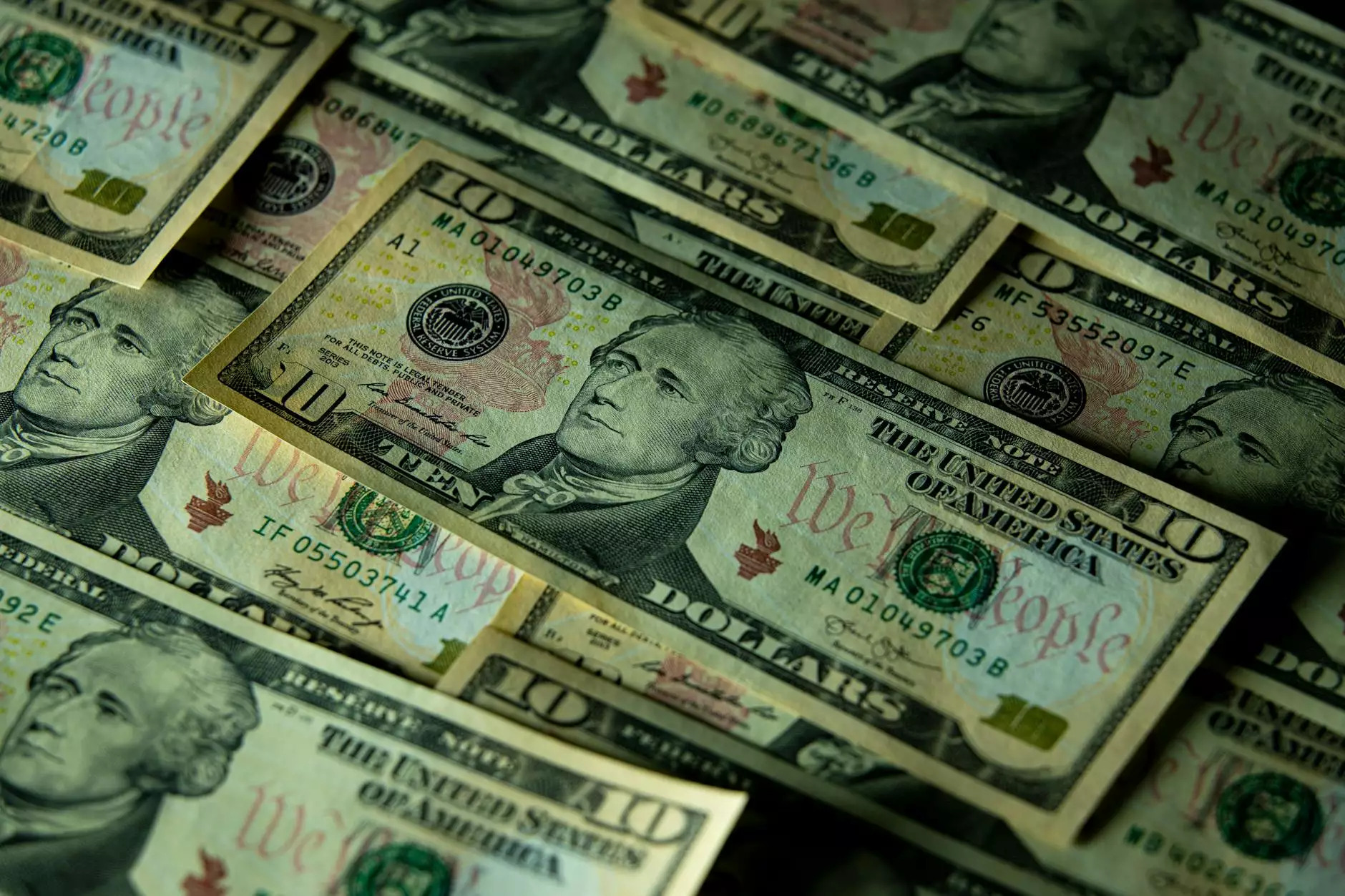
In the world of finance and commerce, the existence of fake money that looks like real money poses significant challenges and risks. While some may view counterfeit currency as solely illicit, understanding the intricacies behind its creation, application, and the industry that deals with it is essential for professionals and enthusiasts alike. In this detailed guide, we delve into the fascinating realm of counterfeit money, fake documents, and how reputable businesses like highteclab.com specialize in these areas — all while emphasizing legal and ethical boundaries.
The Art and Science of Creating Fake Money That Looks Like Real Money
At the core of counterfeit currency production lies a meticulous process that requires expert knowledge in printing, materials, and security features. Fake money that looks like real money is not randomly assembled; rather, it is crafted with precision to mimic the genuine article so convincingly that casual observers may be deceived.
Historical Evolution of Counterfeit Currency
Counterfeit money has existed for centuries, evolving alongside advancements in printing technology and security features. From the rudimentary techniques of the past to today's sophisticated methods, counterfeiters have continually pushed the boundaries of replication accuracy. Modern counterfeit money often incorporates:
- High-quality paper or polymer substrates
- Replicated security threads
- Color-shifting inks
- Microprinting and fine line patterns
- Holograms and transparent window features
- UV-reactive elements
These elements are designed to mimic the security features of authentic bills, making the fake money that looks like real money increasingly difficult to detect without specialized equipment.
Why Would Someone Seek Fake Money That Looks Like Real Money?
Although illegal in most contexts, the demand for counterfeit money arises in various scenarios, including:
- Entertainment industry: Film, theater, and simulation training
- Education: Teaching law enforcement or banking professionals
- Promotional uses: Fake currency for marketing events or showcases
- Collector's items: High-quality replicas for numismatic collections
- Fake documents and forms: For testing or training purposes
It’s crucial to emphasize that production and distribution of fake money that looks like real money without proper authorization is illegal and can lead to severe penalties. Legitimate industries like highteclab.com operate within legal boundaries, providing *controlled* counterfeit solutions for specific applications.
Industry Experts and Ethical Uses of Fake Money and Fake Documents
Reputable companies specializing in fake money that looks like real money and fake documents operate under strict legal guidelines. Their services are often used for:
- Security training: Helping banks and law enforcement recognize counterfeit bills
- Product authentication: Testing security features of banknotes and documents
- Film and entertainment: Creating realistic props for movies, TV shows, and stage productions
- Educational demonstrations: Teaching people about counterfeit detection
Such services are vital in combating illegal activities and strengthening security measures. Companies like highteclab.com are industry leaders in providing high-quality fake currency and fake documents for approved purposes.
Creating Fake Money That Looks Like Real Money: Techniques and Processes
The process of crafting counterfeit currency involves several sophisticated steps, each aimed at replicating the intricate details found in genuine banknotes. These include:
1. Material Selection
High-quality paper or polymer is essential to mimic the texture and durability of authentic bills. Counterfeiters often source or produce special substrates to match the weight and feel of real currency.
2. Replication of Security Features
Advanced printing techniques are employed to simulate security elements such as holograms, microprinting, and color-shifting inks. For example, microprinting involves tiny text or patterns that are only visible under magnification, while holograms replicate the visual effects of real security devices.
3. Fine Detailing
Meticulous attention is paid to detail, including the accurate reproduction of portraits, numerals, signatures, and background patterns. Professional counterfeiters utilize high-resolution screens, offset printing, and lithography to achieve this.
4. Application of Security Elements
The final step involves embedding magnetic strips, security threads, UV-reactive inks, and transparent windows, all designed to closely resemble authentic features and evade casual detection.
Risks and Legal Implications of Counterfeit Money
Engaging in the production or distribution of fake money that looks like real money can have severe legal consequences, including:
- Heavy fines
- Imprisonment
- Criminal record
Authorities worldwide have become adept at detecting counterfeit currency, utilizing specialized machines and forensic analysis. For this reason, legitimate entities focus on controlled and lawful uses of replica money for training, testing, and entertainment.
The Role of High-Quality Fake Money and Fake Documents in Security and Training
To combat counterfeit efforts, organizations need realistic, high-quality simulation tools. This is where reputable providers like highteclab.com come into play, offering:
- Fake currency for security training
- Mock documents and fake IDs
- Prop production for movies and TV
- Testing security features on genuine products
Such solutions ensure that learners and professionals can handle realistic scenarios without the risk associated with illicit activities.
Future Trends in Fake Money and Counterfeit Prevention
The landscape of counterfeit currency is constantly evolving with technological advancements, including:
- Digital currencies and blockchain security
- Enhanced physical security features
- Biometric authentication
- Artificial intelligence in counterfeit detection
Meanwhile, providers like highteclab.com continue to innovate by developing new fake money and document solutions that help organizations stay ahead of counterfeiters, ensuring the integrity of financial transactions and security measures worldwide.
Conclusion: The Balancing Act of Fake Money Industry
Ultimately, the industry surrounding fake money that looks like real money operates within a strict legal framework, emphasizing ethical use and societal benefits such as security training and educational purposes. The expertise involved in creating high-quality counterfeit currency and fake documents demands precision, skill, and responsibility.
Businesses like highteclab.com stand at the forefront of this industry, providing vital solutions that help organizations understand threats, improve security features, and foster safer financial environments. Whether for training, testing, or entertainment, the controlled and legal use of such materials is essential for maintaining trust and stability in the monetary system.
Remember, the line between legitimate and illicit is thin, and responsible handling of counterfeit solutions is the key to leveraging their full potential without legal repercussions.